Art Projects

Dynamic installations and site-specific works exploring the social and cultural fabric of North Bengal

Dinosaurs in the Courtyard

A Site-Specific Installation Art Project

Curated and Conceptualized By: Dipayon GHOSH

Organized By: BIG I ART FOUNDATION SILIGURI

Dates: January 29th - 30th, 2025

Location: Sukna, near Siliguri, District: Darjeeling, West Bengal, INDIA

Dinosaurs in the Courtyard

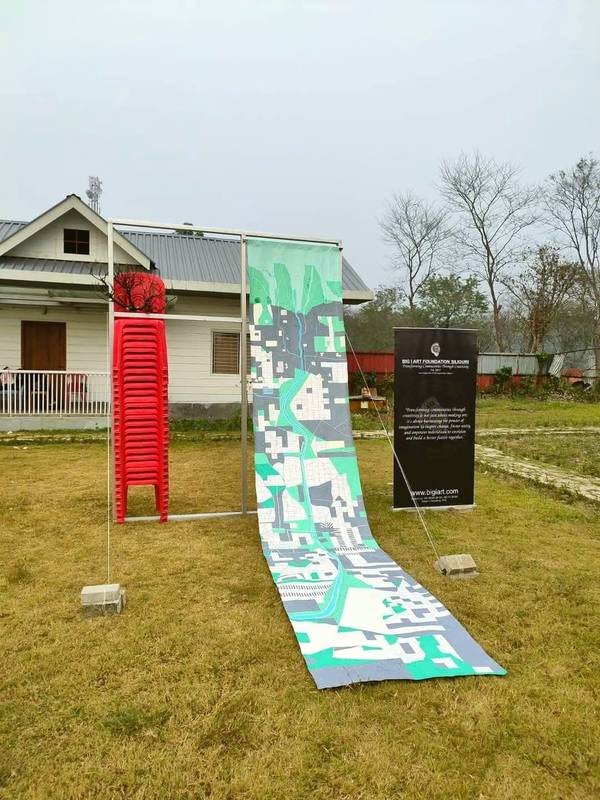
Dinosaurs in the Courtyard, 8 feet by 6 feet aluminum structure, Acrylic on 16 feet by 3 feet canvas, 30p plastic chairs, Dried tea tree branches and tied on all four sides with ground-bound nylon thread.

“Dinosaurs in the Courtyard: A Site-Specific Installation Art Project” was curated and conceptualized by GHOSH and organized by the BIG I ART FOUNDATION SILIGURI. The event took place on January 29th and 30th, 2025, in Sukna, near Siliguri, District Darjeeling, West Bengal, India. This ambitious project engaged a group of young apprentices—Mrinmoy Sinha, Jitesh Prasad, Romee Dey, Anirban Mandal, Hirak Roy, Shreyoshi Sarker, Ajoy Roy, and Rony Paul—who contributed to the execution of the installation. Dinosaurs in the Courtyard is a striking site-specific installation that delves into the intersection of geopolitical fragility, urban ambition, and existential uncertainty, symbolizing the latent potential and precarious dynamism of underdeveloped regions within emerging economies. The structure, made of an aluminum skeletal frame suggestive of an incomplete architectural form, is vertically layered with utilitarian plastic chairs and dried tea tree branches. This assemblage transforms functional objects into a fragmented architectural language, interrogating conventional ideas of stability and progress. A central feature of the installation is a 16-foot hand-painted canvas that offers an aerial abstraction of the site’s topography, representing the complexity of transitional landscapes. It evokes the precarious corridors linking disparate regions—spaces that hold strategic importance yet remain vulnerable to disruption. Through this, the work comments on the fragility of expanding urban sprawls, where superficial development often conceals deeper instability. The titular "dinosaurs" function metaphorically, embodying dormant fears and serving as a sardonic critique of humanity’s overconfidence in progress. By juxtaposing absurdity with weighty thematic content, the title reinterprets militaristic symbolism as an existential reflection on survival and adaptation within volatile frontiers. The installation thus becomes a layered commentary on identity, vulnerability, and the uncertain evolution of spaces in flux.

Project Gauripur House

Project Gauripur House

Title: Project Gauripur House (PGH) 2023

Type: Heritage Site Multidisciplinary Art Project

Location: Kalimpong

Date: May 17th, 2023

Curator: Dipayon Ghosh

Organization: Big I Art Foundation, Siliguri

About the Heritage Site

Shri Brajendra Kishore Roy Chowdhury, the zamindar of Gouripur in Mymensingh (now a part of Bangladesh), was the owner of the Gouripur House. The home occupies a large amount of space; the mountains are cut; the steps are occasionally constructed by arranging large stones. The 64 stairs divide the vast area, leading to a stunning, bright house surrounded by large trees. It features enormous, tall French windows and doors with charming balconies that overlook the magnificent Kanchenjunga. Though the authentic date of its construction is unknown, it was established as the summer residence of the Roy Choudhury family.

Back then, Kalimpong was a pristine, appealing, and lovely holiday destination. The visitors were surrounded by pine, fir, birch, maple, and alder evergreen forests. The early summers and autumns were especially wonderful because of the abundance of bright rhododendrons and exuberant varieties of orchids. The house holds special significance in literary history—there are several memories of Nobel Laureate Rabindranath Tagore in Kalimpong. Between April 1938 and September 1940, Rabindranath took at least four extended vacations here, and he became seriously ill in this location during his final visit, an illness from which he never fully recovered. This period was followed by his death on August 7, 1941.

Gouripur House gave us some of Rabindranath's greatest final poems, including "Janmadin" (Birthday), which he read aloud from this same home on All India Radio on his 78th birthday in 1938. The poem recalls a severe illness he suffered in Shantiniketan, India in September 1937. Now, the abandoned architecture's external wall features a marble plaque serving as a memorial, with the poet's flowing lyrics etched into it. Yet the windows are broken, the interiors are in bad shape, and the structure itself is on the verge of collapsing. Some portions were severely damaged during the earthquake on September 18th, 2011.

The Artistic Intervention

A few site-specific artworks have been produced using a contemporary multidisciplinary approach while staying sympathetic to historical events and taking note of the deteriorated remnants of the current house's architecture. The architecture has developed an intimate link with the abandoned structure that goes beyond just its historical significance. Every piece of site-specific art is continuously interacting with this void, and these temporary installations can be seen on the balcony wall, the fireplace in the hall room, and the side of the stairs leading to the second floor of Gouripur House.

An antique mirrored artwork was mounted on the centre wall of this ancient wooden stairway to reflect the identical staircase. It appears as though the staircase itself wants to recognize the owner of the worn-in footsteps in each visitor to the home. In this mirror's reflection, the mark of emptiness is solidifying with time. Similar to how an archaeologist unearths artifacts in a desolate space, the inanimate house's dead walls are revealed through randomly selected rectangular paper frames. These blank frames are blending into the home and becoming wall decorations, raising people's awareness of exterior ornamentation and decoration to an intellectual level.

A modest clay empty vase with the words "জন্মদিন" (Birthday) was placed in Tagore's bedroom on May 17, 2023, to symbolise the reunion of that historical phenomenon with the emptiness of the current Gouripur House. The project creates a dramatic interplay between light and shadow, where colored glass windows cast enchanting soft light through the dark rooms. A white, hairy, synthetic fibre-abstract protagonist stands in static mode as a metaphor for an unknown story, like the only presence in these empty rooms, absorbing the soft light through its whole body.

In the frigid light, the architecture of the vacant Gouripur House revealed a dramatic and intellectual tone—as if an older storyteller was expressing his own viewpoints through this undertaking (PGH), creating a powerful dialogue between past and present, abandonment and presence, silence and memory.

Project Video

Another Landmark Exhibition

Long and Short of It - Contemporary Art Exhibition

Title: Long and Short of It

Type: Contemporary Art Exhibition

Location: Ramkinkar Pradarshani Kaksh, Siliguri

Dates: November 24th - 26th, 2021

Curators: Ayan Mukherjee & Deepayan Ghosh

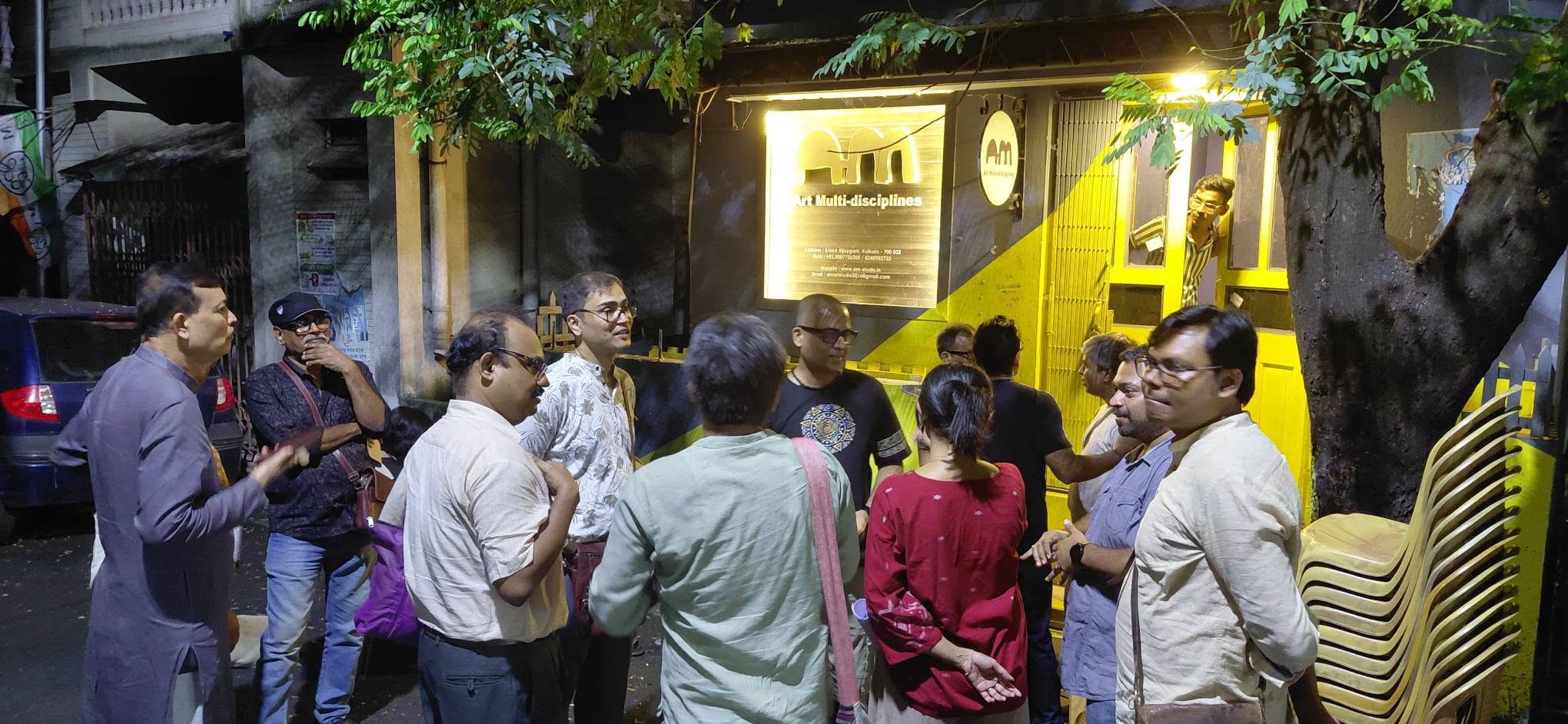
Organizations: Big I Art Foundation, Siliguri in collaboration with A.M. ART MULTI-DISCIPLINES, Kolkata

Overview

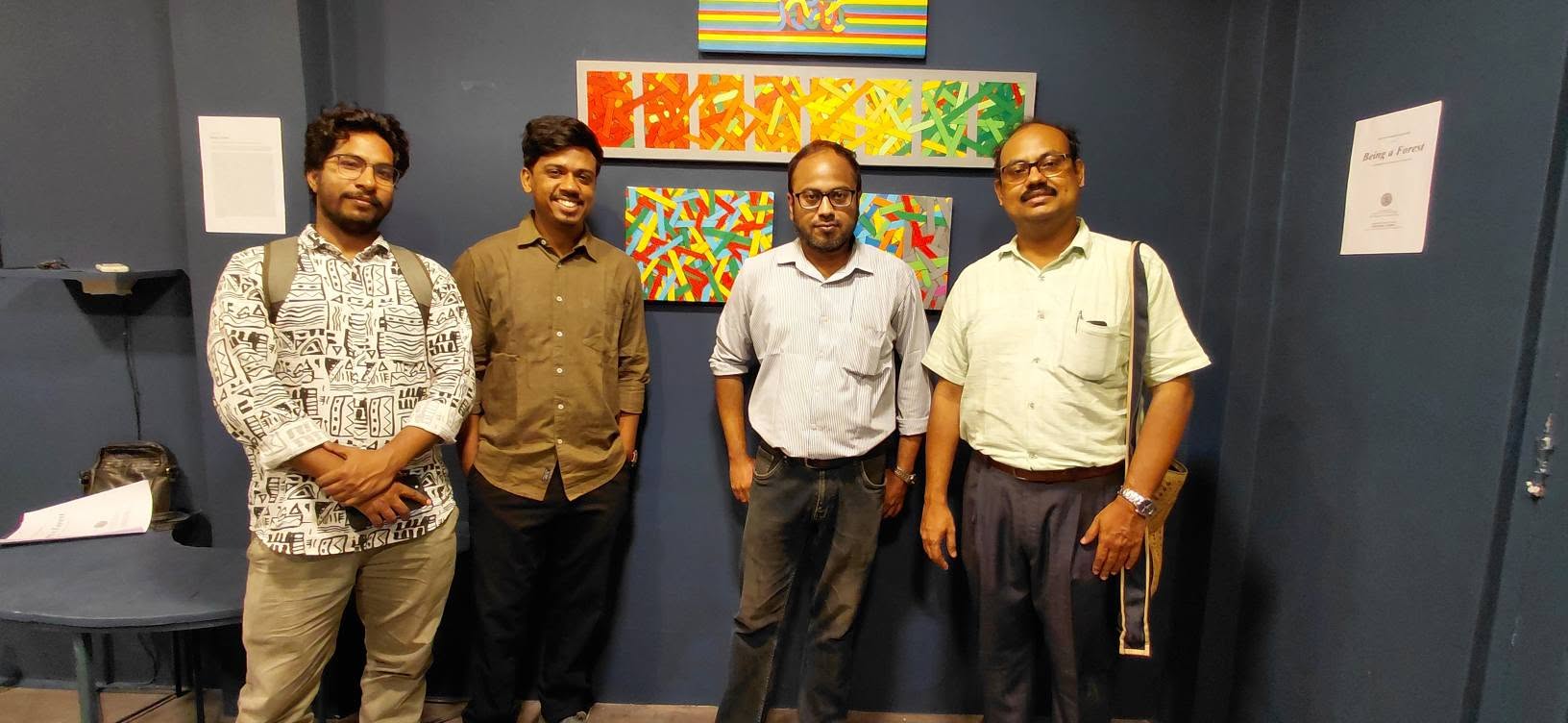
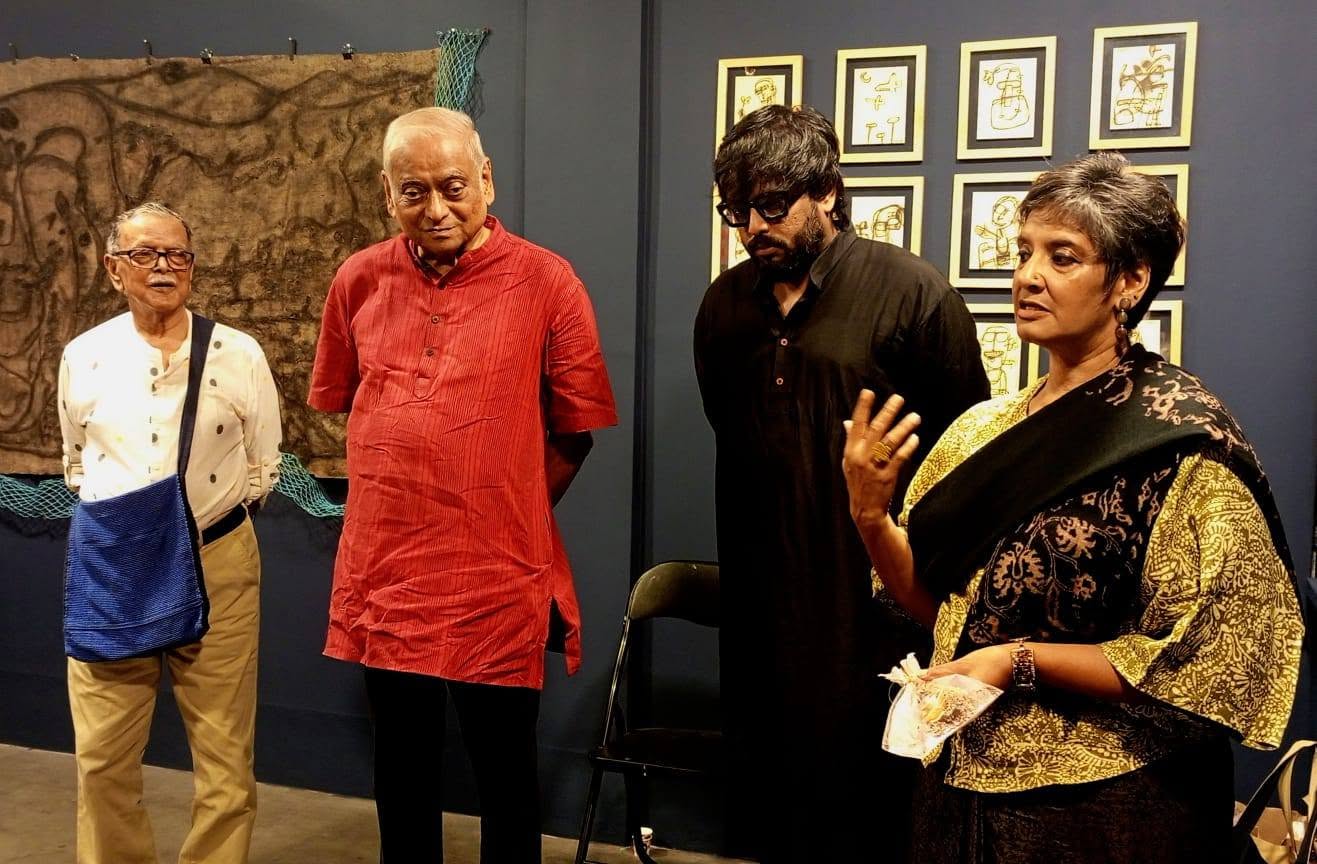
BIG I ART FOUNDATION, Siliguri, in collaboration with A.M. ART MULTI-DISCIPLINES, Kolkata, presented Long and Short of It, a landmark contemporary art exhibition held from November 24th to 26th, 2021, at Ramkinkar Pradarshani Kaksh. Curated by Ayan Mukherjee in collaboration with Deepayan Ghosh, the exhibition marked a historic moment as North Bengal's inaugural officially curated contemporary art exhibition. The project brought together a distinguished group of contemporary artists and sought to create a meaningful dialogue between visual art and society through an inclusive and accessible curatorial approach.

Context and Conception

Conceived during the challenging period of the COVID-19 pandemic, the exhibition reflected upon the social, emotional, and philosophical transformations experienced by humanity in recent years. The unprecedented global crisis compelled individuals and communities to rethink their understanding of life, society, and human relationships. Responding to these changing realities, the exhibition explored how contemporary visual artists interpreted and negotiated the complexities of the present time through diverse artistic practices and personal visual languages. The curatorial vision emphasized introspection, reassessment, and the need for renewed engagement with society, while encouraging viewers to reflect on issues of coexistence, inequality, and collective resilience.

Curatorial Vision and Mission

A central objective of the exhibition was to challenge the conventional concentration of contemporary art within metropolitan spaces and to extend meaningful artistic engagement to subaltern cities and regional audiences. The curatorial initiative highlighted the importance of making visual art more accessible to people from varied social and cultural backgrounds, thereby breaking the exclusivity often associated with urban art circuits. By organizing the exhibition in Siliguri, the project aimed to cultivate a broader and more diverse art audience while fostering interaction between artists, artworks, and the local community. The exhibition also questioned the invisible barriers that frequently distance visual art from society and advocated for a more open, democratic, and participatory cultural environment.

Artistic Scope and Participating Artists

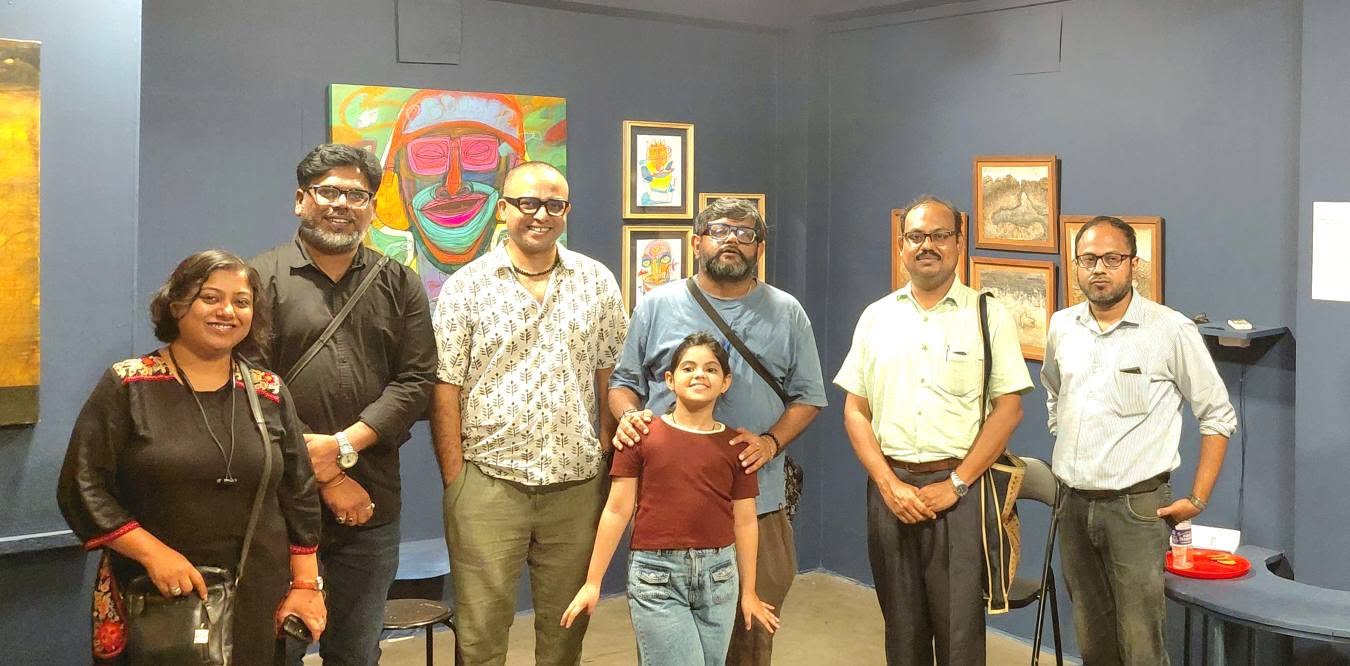
The exhibition featured works across multiple mediums, including painting, drawing, graphics, and multimedia practices, creating a rich and dynamic visual environment that reflected varied artistic sensibilities and contemporary concerns. The participating artists included Aditya Basak, Atin Basak, Arindam Chatterjee, Chhatrapati Dutta, Chandra Bhattacharjee, Jayashree Chakravarty, and Srikanta Paul. Through their individual artistic approaches, the artists collectively generated a compelling visual discourse that resonated with the realities of contemporary life and the psychological and social shifts brought about by recent global events.

Legacy and Impact

Long and Short of It ultimately emerged as more than an exhibition; it became an important cultural initiative dedicated to strengthening the relationship between contemporary visual art and the wider public. By encouraging dialogue, accessibility, and community participation, the exhibition laid the foundation for a more inclusive and expanded visual arts culture in North Bengal while contributing significantly to the region's evolving contemporary art landscape.

Interested in Art Projects?

Explore collaborative and site-specific works with us

Get in Touch